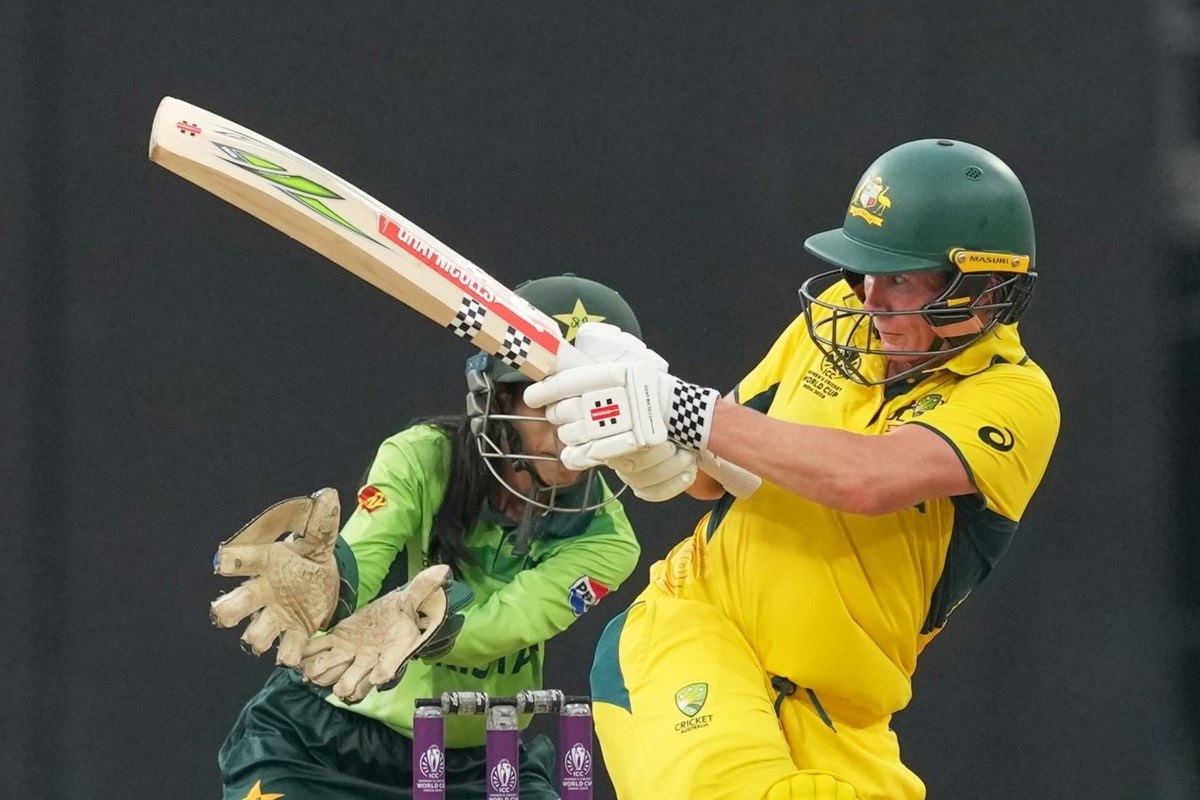
Live cricket on phones deserves the same polish as a well-tuned game – the HUD stays readable, actions live where thumbs rest, and systems explain themselves without detours. A game-studio mindset from the donor and a device-aware wiki at the acceptor can share one vocabulary that survives busy rooms. With stable labels, honest clocks, and calm recovery, glances become decisions and sessions feel composed rather than improvised.
Where Game Loops Meet Match Loops
Game designers line up short loops and long arcs – moment-to-moment feedback, then level goals that land on time. A match page benefits from the same scaffolding. The scoreboard anchors the now, a compact timeline surfaces the previous balls, and helper text states scope in one breath – innings, partnership, or player. Numbers outrank adjectives because totals, rates, and windows drive action under pressure. If casing and spacing never wobble between the ribbon, panels, and highlight reels, recognition compounds across themes, so the hand moves once and the result matches expectation.
That shared discipline needs a door users can find during a break. The glossary must pin preferred labels, short time units, and a clear “where it appears” line that maps to the live header, wicket ribbon, and stats view, so the handoff reads cleanly through the desi play apk entry that the interface already speaks. When setup routes through that sentence rather than a side hall, product lifts the same strings into buttons and receipts, support quotes them verbatim, and producers swap assets without rewording tooltips. The page stops feeling stitched together and starts behaving like a single plan.
HUD and Telemetry That Match the Glass
Game HUDs earn trust because the now-state never hides and signals never contradict one another. A cricket screen should follow that pattern with single-verb labels – Watch, Scorecard, Highlights, Unmute – and confirmations that land next to the control that triggered them to cut eye travel. Retry windows render as numerals with local time – 2m, 15m, 3h – instead of vague spinners. Telemetry mirrors what users see: over tick, wicket registered, highlight stitched. When dashboards, labels, and receipts share names, teams fix real issues instead of translating vocabulary. Mid-contrast palettes keep numerals legible under warm bulbs, hero imagery reserves a top overlay band to avoid face–label collisions, and alt text stays literal for assistive tech.
Progression Without Grind
Progression works when onboarding teaches wins quickly and never invents new terms mid-match. The wiki’s canonical dictionary should declare one meaning per label and one on-screen neighborhood per concept – “Scoreboard” remains the header; “Scorecard” opens detail in place and closes softly; “Required rate” sits near the current over as a target tied to this ball. Search accepts casual phrasing yet returns canonical labels, and autosuggest previews the destination module. With this loop in place, attention returns to play after brief interruptions, and the interface reads like rules players already know rather than puzzles to solve.
A Single Sentence That Teaches the Map
Teaching should feel like a quick tutorial, not a manual. One sentence in onboarding can declare that the dictionary lives in a device-aware entry, that labels match what appears on glass, and that timers speak in local time. From there, users recognize the same words in ribbons, panels, and receipts, so recovery feels like continuity when networks wobble.
Live-Ops Hygiene for Real Devices
Mobile “live ops” survive on quiet routines that hold up on mid-range phones. A resilient stack caches the last safe scoreboard state, rehydrates on reconnect without covering controls, and keeps primary verbs inside the dominant thumb zone. Thumbnails ship as DPR-aware WebP or AVIF with predictable fallbacks to prevent visible pops during refresh bursts. Motion assets follow strict limits – short, muted, looped – and pause instantly when the scoreboard updates to protect comprehension. To keep pace, producers can run a tiny, repeatable pass between overs that prioritizes reach, rhythm, and readability on real devices:
- Align commentary tick cadence with scoreboard updates to prevent perceived drift.
- Keep glossary strings identical across ribbons, tooltips, and the scorecard.
- Render retry windows and posting times beside numerals in local hours.
- Reserve a fixed overlay band on hero frames to avoid label–face collisions.
- Place confirmations near triggers, so the eye does not travel after a tap.
Endgame States That Build Return Visits
Good levels end cleanly – save, confirm, return. Match nights should close the same way. The final score locks, highlights reuse the same labels seen during play to preserve recognition, and a compact ledger separates deposits, bonuses, adjustments, and withdrawals, each line stamped in local time to shorten follow-ups. Rights live inside captions in a fixed order – source, author, year – so approvals do not stall when pace accelerates. With game-loop clarity at the donor and a device-aware wiki at the acceptor, the stack loads fast, reads honestly, and respects attention, so the next visit begins with confidence rather than repairs.